Compare recreation leader training programs by curriculum, safety training, practical placement, instructor experience, schedule, and total cost. Learn which course format fits community centers, camps, schools, and workplace activity roles.

A strong recreation leader training program should teach practical group leadership, safety awareness, inclusion, and activity planning—not just provide a completion certificate.
Before paying course fees, compare practical training, required safety add-ons, employer recognition, and the full cost of becoming job-ready. The right option depends on where you want to work, such as a community center, youth camp, senior program, school, hotel, or workplace wellbeing team.
Online learning can be useful for theory, while supervised practice may be more valuable for roles involving active groups. Ask providers direct questions about CPR, first aid, safeguarding, placement, and background-check requirements.
These items are often separate from general recreation leadership certification.
At a Glance
- Choose a course with activity planning, group management, inclusion, communication, and risk assessment in the curriculum.
- Check whether first aid, CPR, child protection, background checks, and practical placement are included or require separate booking and payment.
- Match the training format and credential to the setting you want to lead; a general certificate may not cover specialist or high-risk activities.
| Training Format | Practical Training | Possible Extra Costs to Check | Best Fit |
|---|---|---|---|
| In-person course | Often easier to include live facilitation and group activities | Travel, supplies, separate first-aid or CPR training | Community centers, camps, schools, activity-led roles |
| Online course | May focus mainly on theory unless paired with practice | Practical assessment, safety credentials, local requirements | Flexible study or entry-level knowledge building |
| Blended learning | Combines online lessons with in-person assessment or practice | Travel, assessment fees, placement-related costs | Applicants who need flexibility and hands-on evidence |
| Employer-supported training | May be tailored to the organization’s activities and policies | Check attendance rules, renewal commitments, and included credentials | Current staff or teams preparing for a specific role |
What a Strong Recreation Leader Training Program Should Include
The Quickest Way to Screen a Course Before Applying
Start with the course outline rather than the course title. A useful recreation leadership program should show how participants learn to plan activities, guide different group sizes, communicate clearly, and respond to common safety concerns. Look for clear information about who teaches the course, how learning is assessed, and whether there is a practical component.
Also check what document you receive at completion. A certificate can be helpful, but it does not automatically mean that every employer will accept it. If you have a target employer, community organization, camp, or school, ask whether that organization recognizes the credential before you enroll.
Core Skills: Planning, Facilitation, Inclusion, and Group Safety
Recreation leaders often work with groups that have different ages, confidence levels, mobility needs, and expectations. Training should cover activity planning so you can set up an appropriate session, explain the rules, prepare materials, and adjust when a plan does not suit the group.
Strong facilitation training also addresses group management. This can include keeping participants engaged, managing transitions, communicating boundaries, and encouraging participation without pressuring people. Inclusion matters because a good activity leader considers how people may join, observe, adapt, or participate at a different pace.
Risk assessment and communication are equally important. A course should help you think through the setting, equipment, participant needs, and emergency procedures before an activity begins. That is more useful than relying on a list of games alone.
When a General Certificate Is Enough—and When Specialist Training Is Needed
A general recreation leadership certificate may be suitable for broad activity roles in community centers, basic group programs, hospitality activities, or workplace wellbeing events. However, it may not be enough for specialized activities. Water sports, climbing, therapeutic recreation, and high-risk outdoor programs can require additional training, assessments, or organization-specific approval.
Do not assume that a course described as “recreation,” “activity leader,” or “camp leader” includes specialist qualifications. Read the scope carefully. If your intended role involves technical equipment, outdoor hazards, or participants needing specialized support, confirm the required pathway with the employer or local authority.
Compare Training Providers by Recognition, Format, and Total Cost
In-Person, Online, and Blended Learning: Trade-Offs for Practical Roles
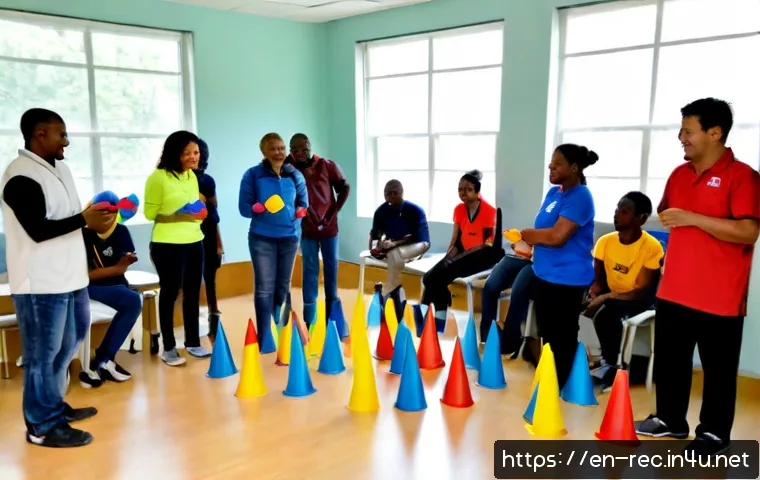
An in-person course can make it easier to practice giving instructions, leading a group, adapting activities, and receiving feedback. This can be especially useful for people who are new to facilitation or who expect to work with children, older adults, or larger groups.
Online recreation leadership courses may suit learners who need flexible scheduling. They can provide a foundation in planning, communication, inclusion, and safety concepts. Still, ask how practical skills are checked. Watching a lesson is different from leading an activity under observation.
Blended learning can offer a middle ground. You may complete theory online and attend an in-person workshop, assessment, or supervised practical experience. Compare the calendar carefully, since required in-person dates can affect travel and work arrangements.
Tuition Versus the Full Cost of Becoming Job-Ready
Course-fee comparison should go beyond the advertised tuition. Your total training cost may include separate first-aid or CPR courses, materials, travel, practical assessments, background-check processes, and future certification renewal. Some providers may include certain items, while others list them as add-ons.
Use a simple comparison sheet for each provider:
- Tuition: What does the main course fee cover?
- Safety add-ons: Are first aid, CPR, or safeguarding modules included?
- Practical requirements: Is placement available, required, or self-arranged?
- Travel and schedule: Are workshops, assessments, or placements held at a separate location?
- Renewal: Does any linked credential have a renewal requirement?
This approach helps you compare course fees fairly. The lowest advertised price may not be the lowest total cost once essential training and attendance commitments are added.
Questions to Ask About Employer Recognition and Completion Documents
Before enrolling, ask the provider what the completion document states and whether it lists practical hours, learning outcomes, or assessed skills. Then ask a prospective employer whether it accepts that type of training for the role you want.
Useful questions include: “Is this credential accepted for your activity leader positions?” “Which safety credentials are required separately?” and “Do you require supervised experience?” These questions are especially important where local safeguarding rules, participant age groups, or organization policies apply.
Check Safety, Safeguarding, and Practical Experience
First Aid, CPR, Risk Assessments, and Emergency Procedures
First aid and CPR are often important for recreation roles, but they may be separate from a general leadership course. Do not assume the course fee includes them. Ask whether the provider offers these credentials, whether they are optional, and whether a specific employer requires a particular format.
A capable recreation leader also needs to understand risk assessment. This means considering the activity, environment, equipment, group size, and participant needs before the session starts. Training should help you identify when an activity needs adjustment, closer supervision, or specialist support.
Working With Children, Older Adults, or Vulnerable Participants
Programs involving children, older adults, or vulnerable participants may have additional safeguarding expectations. Child-protection training, background checks, supervision procedures, and reporting rules can vary by location and employer. A general course may introduce safe practice, but it may not satisfy every local or organizational requirement.
For senior recreation and inclusive programs, look for training that addresses communication, pacing, participation choices, and activity adaptation. The goal is not simply to keep people busy. It is to run activities that are respectful, understandable, and suitable for the people attending.

Why Supervised Practice Can Matter More Than Course Length
A longer course is not automatically better. What matters is whether you can demonstrate useful skills: explaining an activity, managing a group, responding to changing needs, and reflecting on what worked. Supervised practice can give employers more confidence because it shows that you have applied the learning in a real or realistic setting.
If placement is mentioned, confirm the details. Ask whether the provider arranges it, whether insurance coverage applies, how supervision works, and whether you must find your own placement. These details can affect both your budget and your timeline.
Match the Course to the Recreation Setting You Want to Lead
Community Centers, After-School Programs, and Youth Camps
For community centers and after-school programs, prioritize courses that cover structured activity planning, group management, safeguarding awareness, and communication with participants and staff. Youth camps may also require additional safety preparation depending on the activities offered.
If you plan to work with children, verify child-protection expectations and background-check processes directly with the employer. A broad activity instructor certificate can be useful, but it should not be treated as a substitute for role-specific requirements.
Senior Recreation and Inclusive Activity Programs
Senior programs benefit from leaders who can offer clear instructions, flexible pacing, social engagement, and inclusive options. Look for practical training that teaches you how to adapt games, creative sessions, movement activities, or group events to different levels of participation.
Ask whether the course discusses working with diverse needs and how it approaches safety planning. If a role involves therapeutic recreation or specialized support, a general recreation leader course may not be sufficient on its own.
Hotels, Events, Fitness Facilities, and Workplace Wellbeing
Hospitality and event-based recreation roles may value confidence, presentation, activity planning, and guest communication. Workplace wellbeing programs may need leaders who can run accessible group activities while following the organization’s policies and safety procedures.
For these settings, compare whether the course includes event facilitation, inclusive activity design, and practical communication. If an employer already has internal procedures, employer-funded staff training may offer better alignment than a general course purchased independently.
Avoid Common Enrollment Mistakes
Choosing Based Only on the Lowest Advertised Price
A low course fee can look attractive until separate costs appear. Compare tuition with first-aid add-ons, CPR training, materials, travel, assessment arrangements, and renewal needs. Focus on the total route to job readiness, not just the first payment.
Assuming Every Certificate Includes Required Safety Credentials
A completion certificate may show that you finished a recreation leadership course. It may not show first-aid certification, CPR competence, safeguarding training, or background-check clearance. Treat each requirement as a separate item to confirm.
Ignoring Scheduling, Travel, Placement, and Renewal Commitments
Check course dates before paying. Evening workshops, weekend assessments, travel to practical sessions, and self-arranged placements can change whether a program is realistic for your schedule. If a credential needs renewal, ask about that commitment before enrolling rather than after you are hired.
Selection Criteria and Comparison Summary
Compare two or three providers using these decision points: practical hours, course delivery format, instructor qualifications, safety and safeguarding coverage, completion documents, employer recognition, and full training cost. For a youth or community role, place extra weight on supervised practice and local safeguarding expectations. For flexible entry-level learning, an online or blended course may work well if you arrange the necessary practical and safety components separately. Compare total training costs, then check whether your employer accepts the credential before making a payment. Official course pages and employer hiring information are the best places to verify detailed conditions.
Final Thoughts
The best recreation leader training program is the one that matches the role you actually want to perform. A recognizable certificate can help, but practical facilitation, safety awareness, and clear communication are what make a course more useful on the job. Take time to compare what is included, what must be added, and what your target employer expects. That small amount of checking can prevent paying for training that does not fit your intended setting.
Useful Information to Know
1. Course titles are not standardized, so compare learning outcomes rather than names alone.
2. First aid, CPR, background checks, and safeguarding training may be separate requirements.
3. A practical placement can be valuable, but you should confirm who arranges it and what support is provided.
4. Specialized activities can require qualifications beyond general recreation leadership training.
Important Notes
Training acceptance, safeguarding rules, background-check procedures, and safety requirements can vary by employer and location. Tuition, materials fees, assessment costs, refund policies, placement availability, insurance coverage, and renewal terms must be confirmed with each provider. A general recreation leadership certificate alone may not qualify you for specialist, therapeutic, water-based, climbing, or high-risk outdoor activities.
Frequently Asked Questions
Q1. How much does recreation leader training usually cost?
A1. Costs vary by provider, format, location, and what is included. Compare the main tuition with possible extra costs for first aid, CPR, supplies, travel, practical assessment, background checks, and certification renewal. Request a full fee breakdown before enrolling.
Q2. Is an online recreation leadership course enough to get hired?
A2. It may be useful for learning core concepts, but employers may also expect practical experience, safety credentials, safeguarding training, or local screening requirements. Check how the online course assesses practical skills and confirm the employer’s hiring requirements.
Q3. What certifications should a recreation leader have for youth or community programs?
A3. Requirements vary by employer, participant age group, activity type, and local safeguarding rules. A recreation leadership course may be one part of the pathway, while first aid, CPR, child-protection training, background checks, and supervised experience may be requested separately.