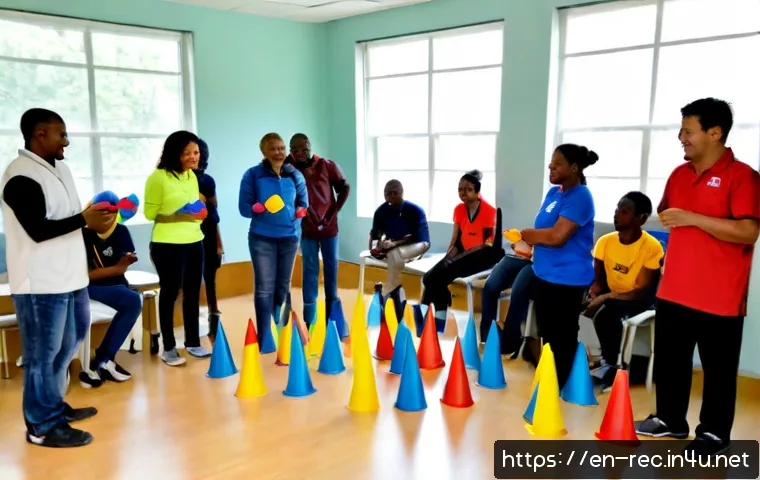
The most useful books for recreation leaders do more than list games: they help with activity planning, group facilitation, inclusion, and risk awareness.
New leaders usually benefit from one practical activity resource plus one guide to leading groups safely and confidently. Experienced coordinators may get more value from setting-specific program-planning, evaluation, or accessibility resources.
Before buying, compare the intended setting, participant needs, planning tools, and edition—not just the number of activities. A lower-cost collection can be enough for simple activity inspiration, while a broader professional guide may be worthwhile when planning time and program consistency matter.
Books are helpful references, but they do not replace workplace policies or required training.
At a Glance
- Start with coverage, not activity count: useful resources explain timing, materials, group size, adaptations, and facilitation.
- Match the book to the setting: camp, school, community center, and older-adult programs can require different examples.
- Build a small working library: combine activity ideas with guidance on leadership, inclusion, and program safety.
| Book Type | Best Use | What to Check Before Buying | Value Consideration |
|---|---|---|---|
| Activity and game collections | Finding session ideas and warm-up activities | Group size, timing, materials, setup, adaptations | Useful when activities fit your setting rather than simply offering a long list |
| Facilitation guides | Leading groups, transitions, participation, and behavior support | Practical examples for the ages and group dynamics you lead | Can add value when activity ideas are not your main planning gap |
| Inclusion resources | Adapting participation for different needs and abilities | Clear adaptation options and accessible activity design | Especially useful for programs serving participants with varied needs |
| Program-planning manuals | Building repeatable sessions, evaluating programs, and organizing delivery | Planning templates, evaluation tools, and setting-specific guidance | A broader professional resource may reduce repeated planning work |
| Safety and safeguarding references | Risk awareness and responsible program delivery | Edition date, relevance to current workplace requirements, and scope | Important reference material, but not a replacement for required training |
What a Recreation Leader Actually Needs From a Reference Book
The Quickest Answer: Choose Books That Solve Planning, Facilitation, and Safety Needs
A strong recreation leadership book helps you make decisions before participants arrive. It should support activity design, explain how to guide a group, and encourage appropriate attention to safety and inclusion. The best choice depends on your role: a new facilitator may need clear activity instructions, while a program manager may need planning and evaluation tools. Choose the gap you need to fill instead of buying several books that repeat the same activity ideas.
Why Activity Ideas Alone Are Not Enough for Most Programs
An activity list can be useful, but a title alone does not tell you whether an idea will work for your group. Look for details such as estimated timing, materials, suggested group size, setup requirements, and possible adaptations. These details turn a game or craft idea into something a leader can realistically plan. If a resource does not explain supervision, accessibility, or practical delivery, you may need another guide alongside it.
The Core Categories to Include in a Working Library
A balanced reference library often includes an activity resource, a group facilitation guide, and a program-management or safety reference. Leaders working with varied participant needs may also benefit from an inclusion-focused resource. You do not need every category at once. Build around the programs you actually deliver, then add resources when a recurring planning problem appears.
Compare the Main Types of Recreation Leadership Books
Activity and Game Collections
Activity books are often the easiest starting point for recreation staff, camp leaders, and community-program facilitators. Their value is highest when each activity includes enough operational detail to use it with confidence. Prefer collections that state what participants do, what the leader prepares, and how an activity can be adjusted. A general game collection may be sufficient for simple inspiration, but setting-specific books can offer more relevant examples.
Group Facilitation and Behavior-Management Guides
Facilitation resources focus on the leader rather than the activity. They can help with giving instructions, involving quieter participants, managing transitions, and maintaining group engagement. This category is useful when sessions have good ideas but inconsistent delivery. Check whether the examples reflect the age range, setting, and type of group you lead; a guide written for one environment may not be equally useful in another.
Inclusive Programming and Adaptation Resources
Inclusion resources can help leaders think beyond a one-size-fits-all activity plan. Look for practical adaptation guidance, alternative participation options, and ways to adjust materials, instructions, or group structure. These books are often more valuable than generic activity collections when participant needs vary. Still, a book cannot identify every individual need, so local policies and appropriate workplace guidance remain important.
Program Planning, Budgeting, and Evaluation Manuals
Planning manuals are suited to coordinators and leaders who run recurring programs. They may support session design, material organization, program evaluation, and more consistent delivery across staff members. If you regularly rebuild plans from scratch, a professional development resource with templates may be more useful than another activity anthology. Review the table of contents to see whether it addresses the planning tasks you actually handle.
Safety, Safeguarding, and Risk-Awareness References
Resources covering risk awareness, safeguarding, accessibility, emergency procedures, or professional standards deserve extra scrutiny. Updated editions matter when these topics are included. Check the edition, intended location or sector, and whether the guidance aligns with your employer’s requirements. A reference book may support awareness, but it does not replace required first aid, safeguarding, licensing, or workplace training.
How to Judge Value Before You Buy
Check the Target Setting, Participant Age, and Group Size
Start with fit. A book written for camps may organize activities differently from one intended for schools, community centers, or older-adult programs. Check who the book is designed for, how it describes group sizes, and whether its examples match your usual environment. A highly rated-looking resource can still be low value if its sessions do not fit your participants or available space.
Look for Session Plans, Supply Lists, Timing, and Adaptations
Useful recreation activity books reduce the work between reading and delivery. Look for session plans, material lists, timing estimates, instructions, debrief questions, and adaptation notes. A preview page or sample table of contents can reveal whether the book provides usable planning tools or only brief activity descriptions. Libraries, publishers, professional associations, and training providers may offer these previews before purchase.
Print, E-Book, Workbook, or Library Copy: Choosing the Right Format
Format affects day-to-day usefulness. A print book can be easy to mark up during preparation, while an e-book may be more convenient for searching activity themes or keywords. A workbook may suit structured professional development, and a library copy can help you assess relevance before adding a title to your collection. Consider how and where your team plans sessions before choosing a format.
When a Higher-Priced Professional Guide May Save Planning Time
A more comprehensive guide may be worth considering when it includes tools you will reuse: planning forms, adaptation ideas, facilitation methods, or program evaluation support. The point is not to assume that a higher price means better quality. Compare the depth of instruction with the work you need to complete. If a lower-cost book offers only activity prompts, it may still be the right choice for a leader who already has strong planning and safety systems.
Practical Use: Turn Reading Into Better Recreation Sessions
Build a Repeatable Activity-Planning Template
Create one simple template for every activity: objective, participant group, space, materials, timing, instructions, adaptations, supervision considerations, and notes for next time. This approach helps you compare activities from different books on the same terms. It also prevents attractive ideas from being selected without checking whether they are practical.
Test Activities With Small Groups Before Using Them in a Full Program

When possible, try a new activity in a smaller or lower-stakes session first. Notice whether instructions are clear, materials are realistic, and participants can engage as intended. Adjust the activity using your local setting and participant feedback. A published activity is a starting point, not a guarantee that it will work unchanged everywhere.
Record What Worked, What Changed, and What to Reuse
After each session, record brief notes: what engaged the group, what required extra explanation, which adaptations helped, and what materials were missing. Over time, this creates a role-specific reference system that is more useful than a shelf of unopened books. It also helps teams share effective practices without relying on memory alone.
Common Buying Mistakes and Safety Gaps to Avoid
Buying Generic Games That Do Not Match the Setting
A broad activity collection may look versatile but still fail to match your available space, participant ages, staffing level, or program goals. Avoid buying solely because a book promises many ideas. Check for examples that resemble your actual sessions and for instructions detailed enough to use responsibly.
Ignoring Accessibility, Supervision, and Material Requirements
Before selecting an activity resource, check whether it acknowledges accessibility adaptations, adult supervision, room setup, and material needs. These details affect whether an idea can be delivered safely and inclusively. If they are missing, plan to use another reliable workplace resource when preparing the activity.
Treating a Book as a Substitute for Required Training or Policies
Books can support professional development, but they are not proof of certification or compliance. Employer requirements, local rules, safeguarding procedures, first aid expectations, and licensing needs can vary. Confirm what applies to your role before relying on any book for safety-related guidance.
Selection Criteria and Comparison Summary
Best Choice for a New Recreation Leader
Begin with one activity book that includes materials, timing, group size, and adaptations. Pair it with a facilitation guide if you are still building confidence in leading groups. This combination covers both what to do and how to lead it.
Best Combination for Community and Camp Programs
For programs with changing activities and mixed groups, combine a setting-relevant activity resource with a planning or safety reference. This provides fresh ideas while keeping attention on preparation, supervision, and consistent program delivery.
Best Approach for Leaders Managing Multiple Participant Needs
Prioritize inclusion and adaptation guidance before purchasing more generic games. Then add an activity resource that offers clear choices for different group sizes, abilities, and participation styles. This usually creates a more flexible program library than buying overlapping activity lists.
Final Pre-Purchase Checklist
Before choosing a recreation leadership book, check whether it fits your setting, participant age range, and group size; includes practical session details; addresses adaptations and material needs; uses an appropriately updated edition for safety-related topics; and complements—not duplicates—resources you already have. Compare editions, formats, and training requirements before making a purchase. For official scope, included materials, and current edition details, review the relevant publisher, library, association, or training-provider page.
In Closing
The best recreation leadership resource is the one that improves your next planning decision. Activity ideas matter, but facilitation, inclusion, and risk awareness make those ideas more usable in real programs. Start with the resource category that solves your biggest current challenge. Add books deliberately so your library becomes a practical tool rather than a collection of repeated content.
Useful Things to Know
Preview before purchasing: sample pages and tables of contents can show whether a book has usable instructions.
Choose role-specific coverage: a coordinator may need planning tools that a session leader does not.
Keep your own notes: local adjustments can become one of your most valuable planning references.
Important Notes
Book titles, editions, prices, availability, and alignment with current professional standards are not confirmed here. Workplace requirements, participant needs, certification expectations, and applicable procedures vary by location and employer. Confirm the current edition and relevant training requirements before using any resource for safety, safeguarding, emergency, or accessibility decisions.
Frequently Asked Questions
Q1. What types of books should a new recreation leader buy first?
A1. Start with an activity resource that gives clear setup, materials, timing, group-size guidance, and adaptation options. If you are new to leading groups, add a facilitation guide rather than buying several similar game collections.
Q2. Are activity books enough to run safe and engaging recreation programs?
A2. Not usually. Activity books can provide useful ideas, but leaders also need to consider group facilitation, inclusion, supervision, workplace policies, and relevant training requirements. A book does not replace required safety or safeguarding training.
Q3. Is it worth paying more for a professional recreation leadership guide?
A3. It can be worthwhile if the guide provides reusable planning tools, facilitation guidance, adaptation support, or program-management material that matches your role. Compare the depth of instruction, edition, format, and training relevance rather than assuming a higher-priced book is automatically the better choice.